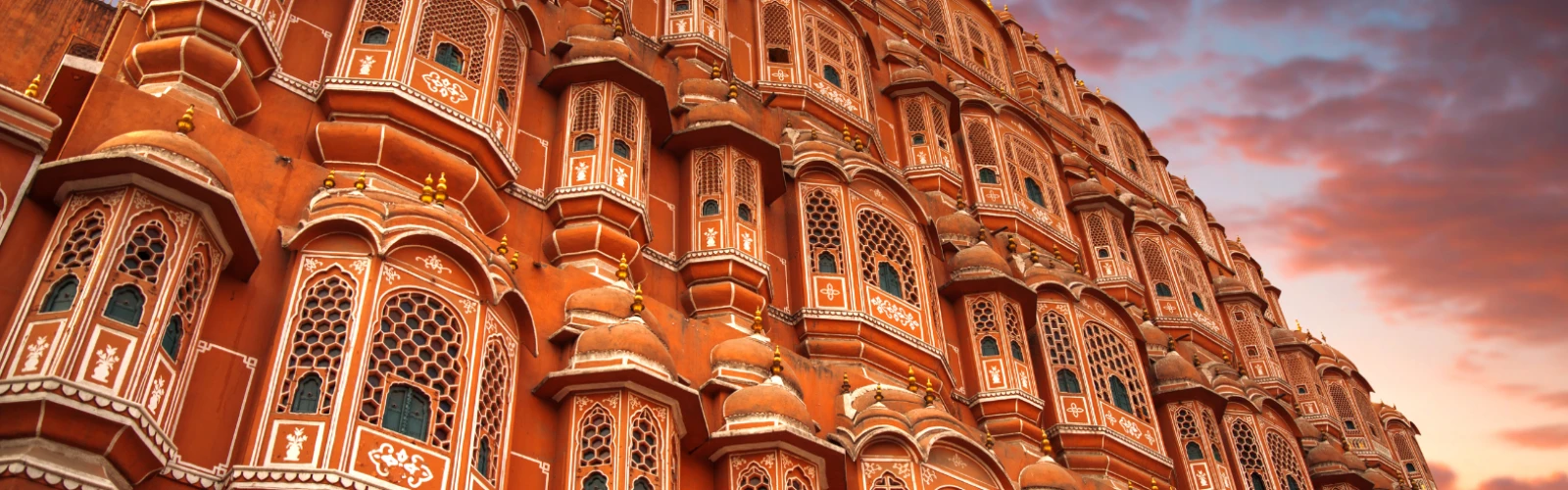
The Architectural Wonders of Jaipur: Where History Meets Beauty
Discover the Timeless Grandeur and Artistic Brilliance of Jaipur’s Iconic Monuments

A Living Canvas of Royal Architecture and Artistic Grandeur
Jaipur, fondly called The Pink City, is not just a destination — it’s a living museum of artistry, history, and architectural brilliance. Founded in 1727 by Maharaja Sawai Jai Singh II, Jaipur stands as India’s first planned city, meticulously designed with symmetry, geometry, and elegance that reflect both Vedic architecture and royal sensibilities. The city’s structures are painted in hues of terracotta pink, symbolizing warmth and hospitality — a tradition started in 1876 to welcome the Prince of Wales.
From magnificent forts that crown the Aravalli hills to intricately designed palaces and celestial observatories, every corner of Jaipur tells a story of regal vision and craftsmanship. Whether it’s the latticed beauty of Hawa Mahal or the grand courtyards of Amer Fort, Jaipur remains a timeless example of architectural perfection where history seamlessly merges with aesthetics.
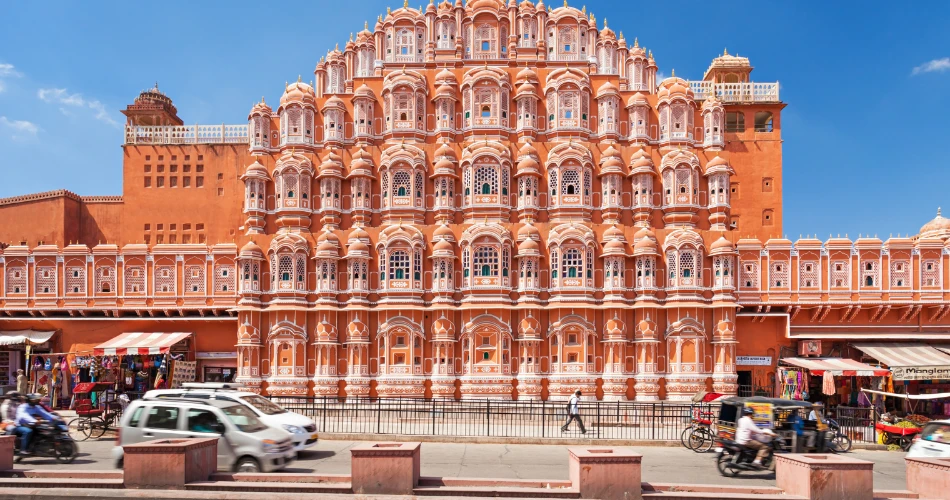
Amer Fort: A Majestic Blend of Rajput Grandeur and Mughal Elegance
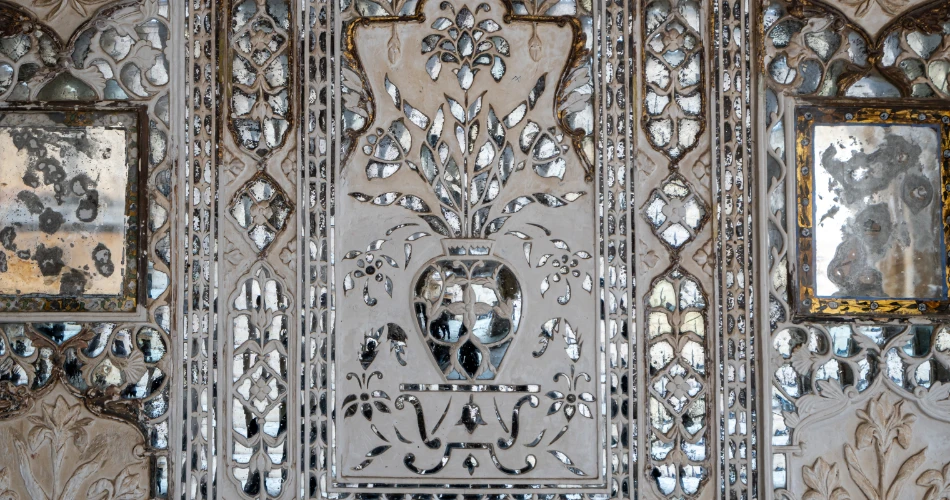
Perched atop the rugged Aravalli hills, Amer Fort (Amber Fort) is one of Jaipur’s most celebrated architectural jewels. Built in the 16th century by Raja Man Singh I, the fort beautifully combines Rajput and Mughal architectural styles, with its red sandstone and marble structures reflecting opulence and strength. The fort complex houses stunning courtyards, mirror-clad chambers, and intricately carved gateways that transport visitors to an era of royal splendor.
Highlights like the Sheesh Mahal (Mirror Palace), where thousands of tiny mirrors reflect even the smallest glimmer of light, and the Ganesh Pol Gate, adorned with exquisite frescoes, showcase the artisanship of ancient Rajasthan. The fort’s layout, overlooking Maota Lake, was strategically designed both for defense and royal leisure.
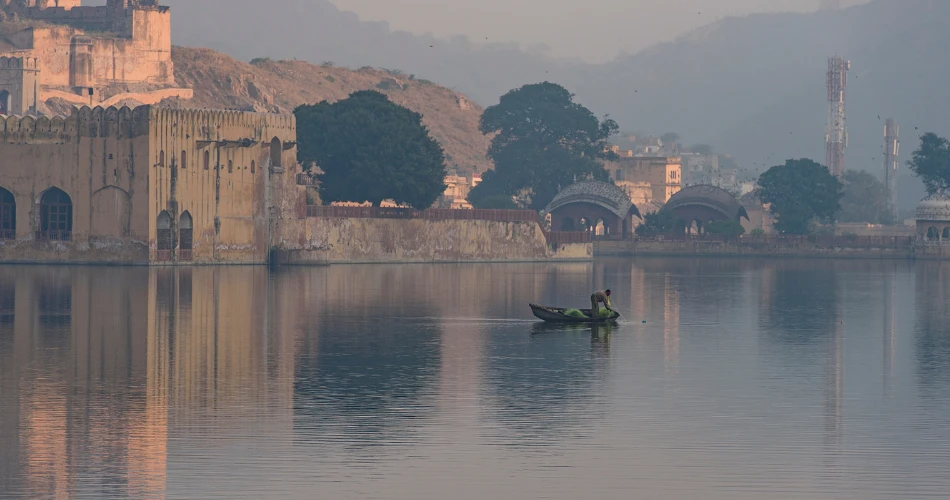
Hawa Mahal: The Iconic Palace of Winds and Symbol of Jaipur’s Identity
Perhaps the most photographed monument in Jaipur, the Hawa Mahal is an architectural masterpiece that embodies grace and ingenuity. Constructed in 1799 by Maharaja Sawai Pratap Singh, this five-story structure was designed by Lal Chand Ustad to allow royal women to observe street festivities unseen by the public.
Made from red and pink sandstone, Hawa Mahal’s honeycomb façade features 953 intricately carved jharokhas (windows) that allow cool breezes to circulate throughout, making it a natural air conditioner during Rajasthan’s hot summers. Its pyramidal shape and symmetry make it a true icon of Jaipur’s skyline.
Beyond its aesthetics, the Hawa Mahal reflects the city’s deep respect for privacy, beauty, and sustainability — blending function with fantasy in every sense.
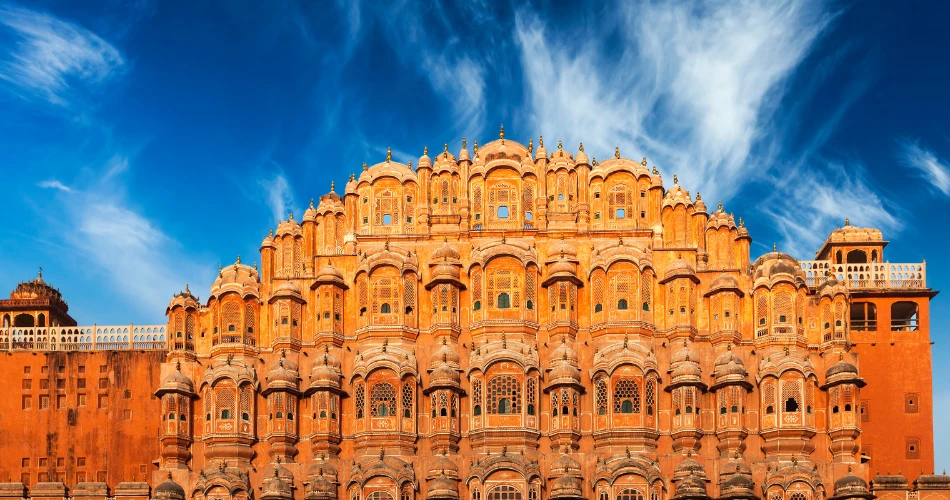
The Royal Heart of Jaipur’s Heritage and Craftsmanship
Situated at the center of Jaipur, the City Palace remains the epitome of royal sophistication and cultural legacy. Built by Maharaja Sawai Jai Singh II, the palace complex seamlessly fuses Rajput, Mughal, and European architectural influences. With its marble columns, intricately painted ceilings, and ornate gateways, the City Palace stands as a living testament to Jaipur’s regal lifestyle.
The palace still serves as the royal residence for the descendants of the Jaipur monarchy, while parts of it are open to the public as museums displaying royal costumes, weapons, and artifacts. Highlights include the Peacock Gate, representing autumn, and the Diwan-i-Khas, a private audience hall that exhibits the world’s largest silver vessels once used for carrying holy water to England.
Jantar Mantar: Jaipur’s Astronomical Marvel and UNESCO World Heritage Site
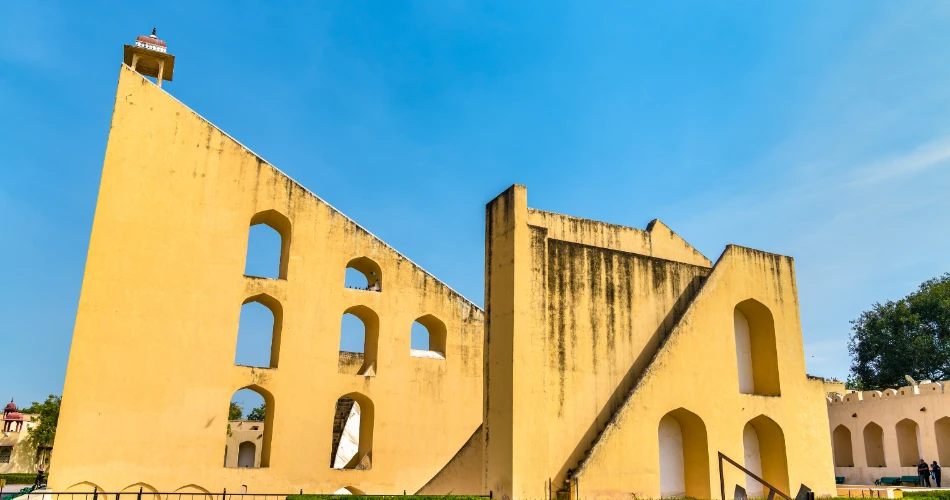
The Jantar Mantar in Jaipur is not just an architectural wonder but also a scientific marvel. Built by Maharaja Jai Singh II in the early 18th century, this open-air observatory houses 19 astronomical instruments used to measure time, track celestial bodies, and predict eclipses with remarkable precision.
The most prominent structure, the Samrat Yantra, is the world’s largest stone sundial, capable of measuring time with an accuracy of two seconds. The observatory’s geometric designs and colossal instruments reflect the fusion of astronomy and artistry, showcasing the Maharaja’s visionary intellect and India’s advanced scientific heritage.
The Dreamlike Palace Floating on the Waters of Man Sagar Lake
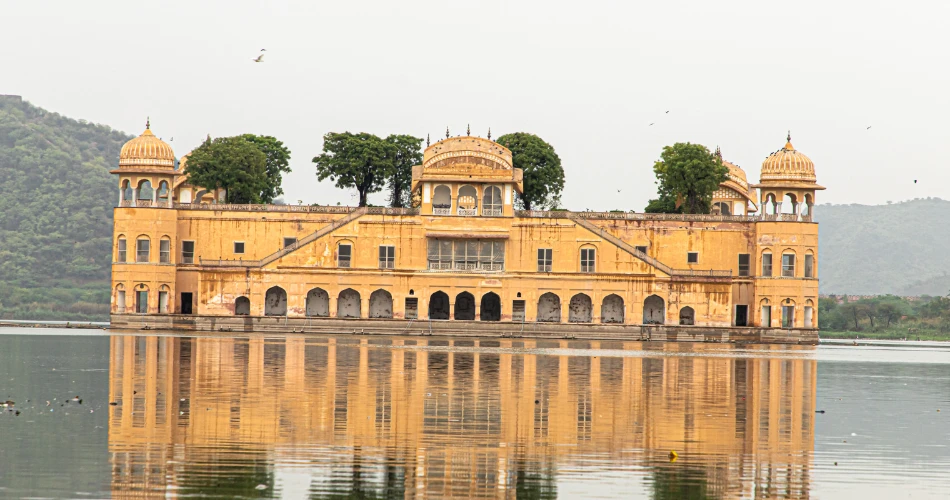
Set in the midst of Man Sagar Lake, the Jal Mahal or “Water Palace” is an enchanting example of architectural illusion and environmental harmony. Built during the reign of Maharaja Madho Singh I, this five-story palace appears to float on water — though four of its levels remain submerged.
Blending Rajput and Mughal architectural elements, Jal Mahal is constructed with red sandstone and features delicate balconies, chhatris, and floral motifs. Surrounded by the scenic Aravalli hills, it was originally used as a summer retreat and royal duck-hunting lodge.
Its recent restoration emphasizes Jaipur’s dedication to preserving historical beauty while integrating sustainable tourism practices.
Nahargarh Fort: The Sentinel of Jaipur Overlooking the Pink City
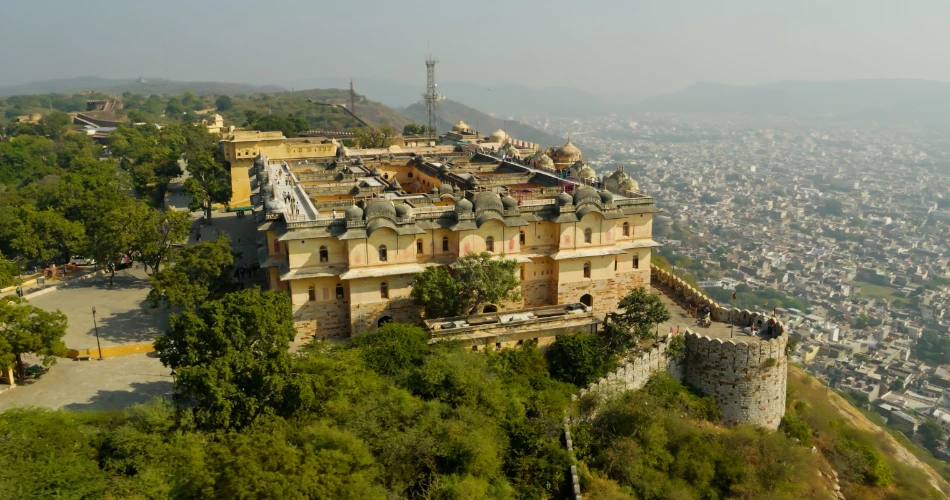
The Nahargarh Fort, perched high above the city, offers the most breathtaking panoramic views of Jaipur. Built in 1734 by Maharaja Sawai Jai Singh II, Nahargarh (meaning “Abode of Tigers”) served as a defensive fort as well as a retreat for the royal family.
Its architecture, featuring intricately designed corridors, frescoed interiors, and interconnected suites known as Madhavendra Bhawan, showcases the artistry of 18th-century Rajasthani design. The fort’s strategic hilltop position made it an essential part of Jaipur’s defense trio, alongside Amer and Jaigarh forts.
Today, Nahargarh is equally famous for its romantic sunset vistas and cultural heritage — a place where the city’s pink hues meet the golden glow of history.
Albert Hall Museum: The Indo-Saracenic Marvel of Art and Heritage
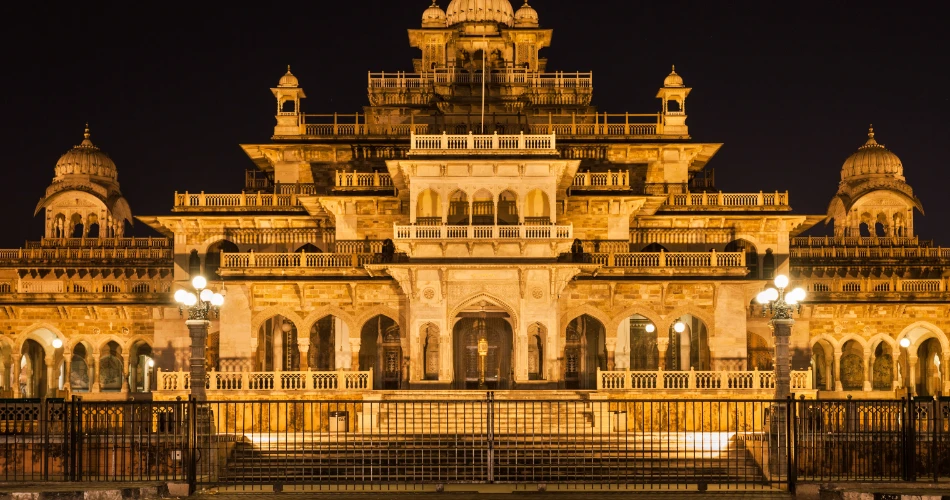
The Albert Hall Museum, Jaipur’s oldest museum, stands as a striking example of Indo-Saracenic architecture. Designed by Sir Samuel Swinton Jacob in 1887, it combines Mughal, Rajput, and European design elements with grand arches, domes, and intricate stone carvings.
The museum houses a vast collection of Rajasthani art, miniature paintings, jewelry, textiles, and even an Egyptian mummy, making it a cultural treasure trove. Its architectural symmetry and decorative detail are as impressive as the artifacts within, representing Jaipur’s devotion to both aesthetics and knowledge.
Conclusion: Jaipur — A Timeless Symphony of Stone, Art, and Royal Legacy
Jaipur’s architecture transcends time — it’s a poetic dialogue between history, design, and devotion. Each palace, fort, and structure echoes the genius of artisans who turned stone into stories and walls into wonders. From Amer Fort’s majestic courtyards to Jal Mahal’s tranquil waters, Jaipur exemplifies how culture and creativity can coexist beautifully.
For travelers, photographers, and history lovers, Jaipur isn’t just a city to visit — it’s a masterpiece to experience. Every monument invites admiration, every carving narrates a tale, and every sunset paints history anew on the pink canvas of this royal city.

About Author
Leo is a master at storytelling. He produces unique travel content in a way that gives readers a vibe of actually being there.