Exploring Amer Fort: The Pride of Jaipur’s Royal Legacy
Uncover the grandeur, history, and architectural brilliance of Jaipur’s iconic Amer Fort — a timeless symbol of Rajput glory.

Introduction: Discovering Amer Fort – The Shimmering Jewel of Jaipur’s Heritage
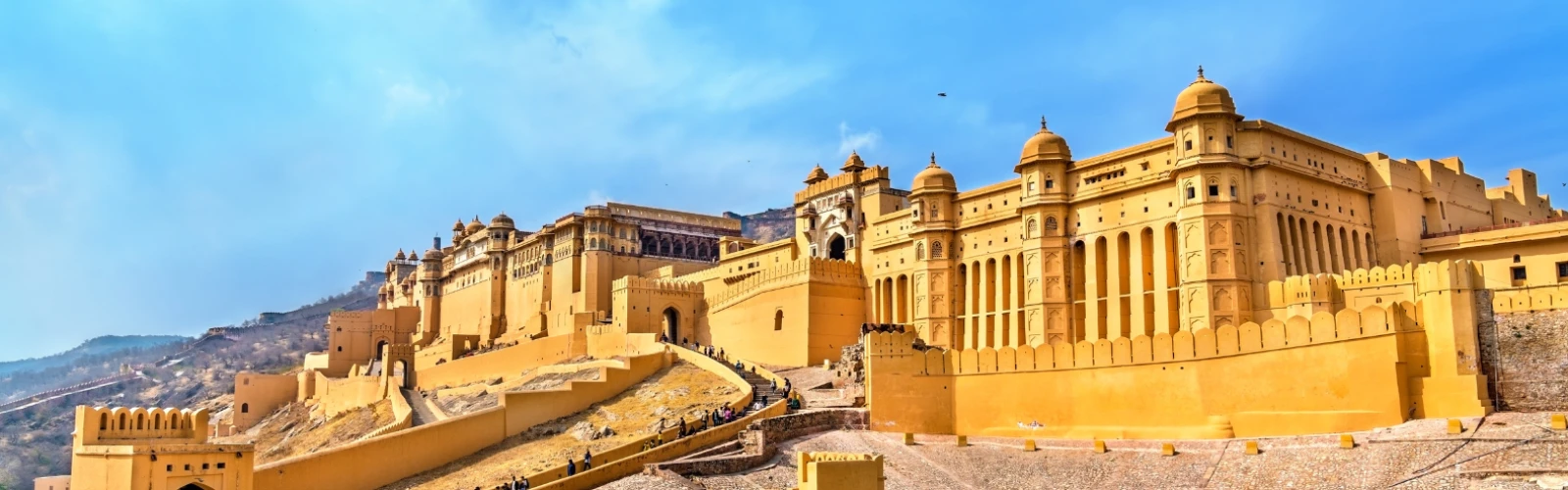
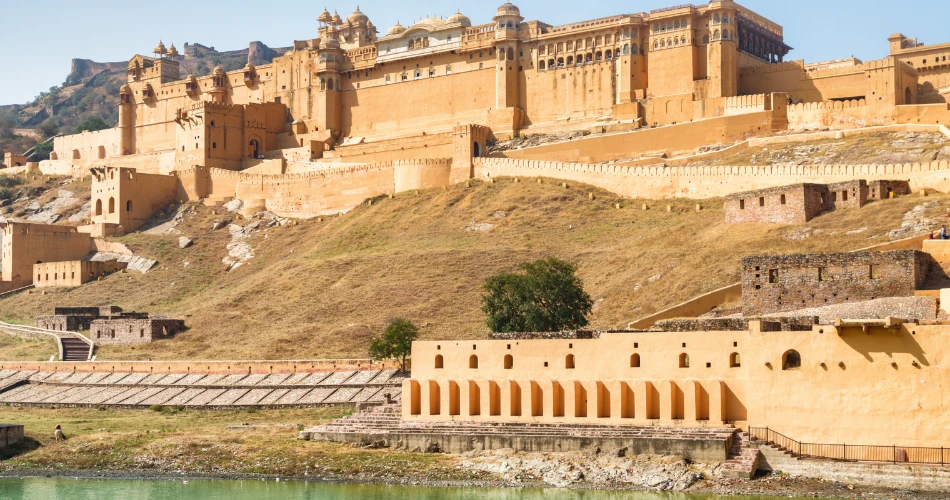
Perched gracefully atop the rugged Aravalli Hills, Amer Fort (also known as Amber Fort) stands as a magnificent testament to Jaipur’s royal grandeur. Built in the 16th century by Raja Man Singh I, this colossal fortress embodies the perfect fusion of Rajput and Mughal architectural styles, narrating stories of valor, opulence, and artistry. The fort, located just 11 km from Jaipur, is a must-visit destination for travelers seeking to experience Rajasthan’s royal past.
As you ascend the cobbled pathways leading to the fort, the warm golden hues of its sandstone walls shimmer under the desert sun, evoking an aura of timeless charm. Declared a UNESCO World Heritage Site, Amer Fort attracts millions of visitors each year for its splendid palaces, intricate mirror work, sprawling courtyards, and breathtaking views of Maota Lake below.
Whether you are a history lover, architecture enthusiast, or a photography aficionado, Amer Fort promises an unforgettable experience that captures the essence of Jaipur’s royal legacy.
The Historical Roots of Amer Fort: A Glimpse into Jaipur’s Regal Past
The history of Amer Fort is deeply intertwined with the valorous Rajput rulers of the Kachwaha dynasty, who established Amber (then known as Dhundhar) as their capital before Jaipur was founded. The construction of the fort began under Raja Man Singh I in 1592 and was later expanded by Raja Jai Singh I and other successors, making it a sprawling architectural marvel over time.
Amer served as the capital of the Kachwaha Rajputs until Maharaja Sawai Jai Singh II moved the capital to Jaipur in 1727. Despite this shift, Amer Fort remained a symbol of royal pride and cultural significance. Its towering walls and ornate interiors reflect the artistic brilliance and power of Rajasthan’s rulers.
Walking through its gates feels like traveling back in time — every courtyard, mural, and arch narrates tales of battles fought, alliances formed, and royal celebrations that once echoed through these walls.
Architectural Brilliance: The Fusion of Rajput and Mughal Aesthetics
Amer Fort is celebrated for its unique blend of Rajput and Mughal architecture, constructed primarily from red sandstone and white marble. The fort complex is divided into four main sections, each with its own courtyard and distinct character.
Key highlights include:
-
Suraj Pol (Sun Gate) – The main entrance that welcomes visitors with grandeur.
-
Jaleb Chowk – A vast courtyard where armies once paraded and royal announcements were made.
-
Ganesh Pol – A beautifully adorned gateway leading to the private palaces.
-
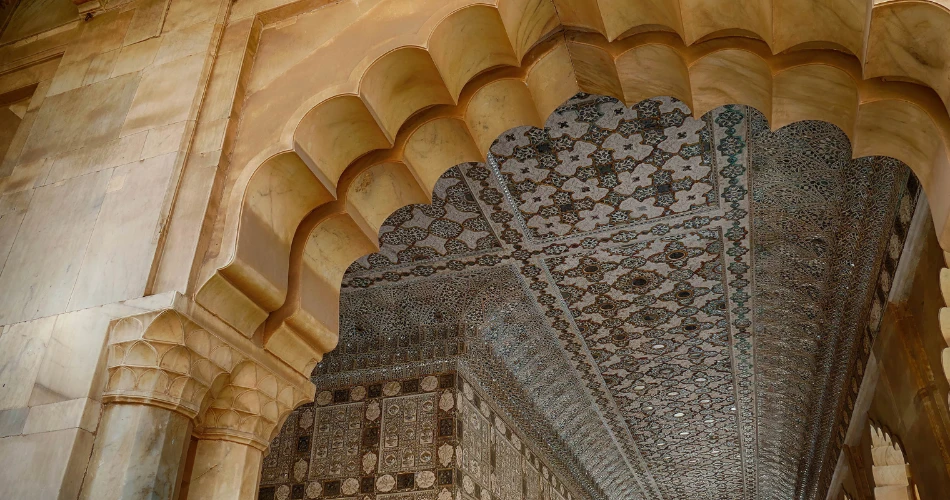
Sheesh Mahal (Mirror Palace) – A mesmerizing chamber filled with tiny mirrors that sparkle like stars when illuminated by candlelight.
-
Sukh Niwas – Designed ingeniously with a water-cooled system that kept the interiors pleasant during scorching summers.
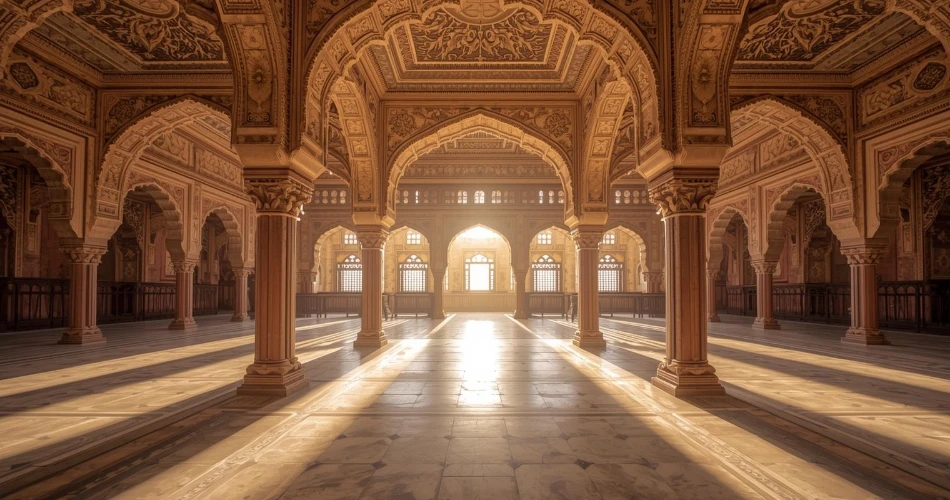
Every wall, arch, and corridor reflects the meticulous craftsmanship of the artisans who created this architectural masterpiece. The fort’s intricate frescoes, marble carvings, and geometric lattice windows (jalis) display an unmatched harmony of art and function.
Exploring the Majestic Interiors and Courtyards of Amer Fort
Inside Amer Fort, visitors are greeted by a captivating sequence of palaces, courtyards, and halls that mirror the lavish lifestyle of the Rajput royalty. The Diwan-i-Aam (Hall of Public Audience) and Diwan-i-Khas (Hall of Private Audience) showcase grandeur where kings once met subjects and nobles. The walls are adorned with frescoes, floral motifs, and exquisite latticework.
The Zenana (Queen’s Quarters) reveal the fort’s thoughtful design — multiple corridors allowed royal women to observe events discreetly. Meanwhile, the Sukh Mandir, with its cooling water channels, highlights the intelligence behind traditional Rajasthani architecture in managing the desert heat.
Exploring Amer Fort isn’t just about admiring its structures — it’s about immersing yourself in stories of love, valor, and art that linger in its echoing corridors.
The Sheesh Mahal: The Sparkling Gem of Amer Fort’s Royal Design
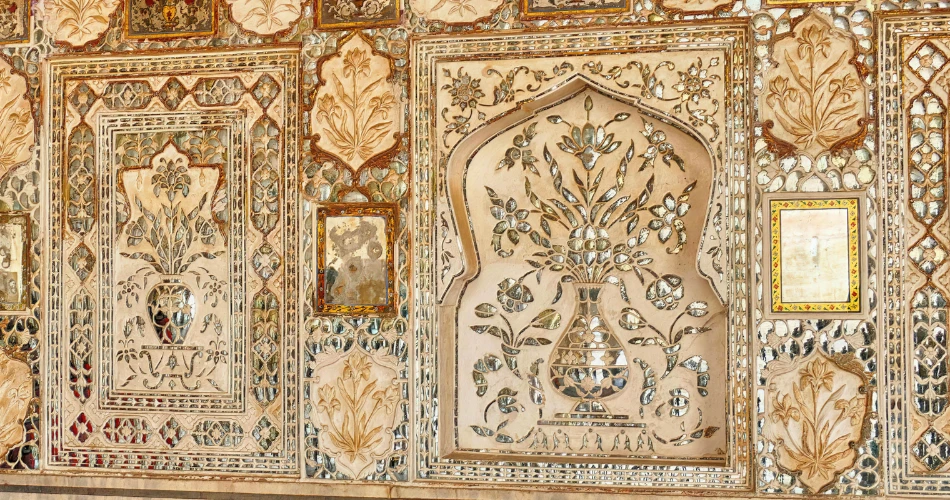
Among Amer Fort’s many architectural wonders, the Sheesh Mahal (Mirror Palace) stands out as a breathtaking masterpiece of craftsmanship. Every inch of this chamber is covered in delicate mirror mosaics and intricate floral motifs. When a single candle is lit, the entire room sparkles like a starry sky — a stunning example of how art and science coexisted in Mughal-Rajput architecture.
The Sheesh Mahal was primarily used for royal gatherings and private moments of luxury. It symbolizes not just aesthetic beauty but also the cultural sophistication of the Rajput era, blending elegance with engineering brilliance.
For visitors today, the Mirror Palace remains the most photographed and admired part of Amer Fort, offering a glimpse into the unmatched artistic legacy of ancient Rajasthan.
Cultural Experiences: Light Shows, Elephant Rides, and Guided Tours
A visit to Amer Fort is not merely a historical journey — it’s a cultural experience. The Sound and Light Show, held every evening, brings the fort’s history to life through dramatic narration, music, and illumination. Visitors can also enjoy elephant rides up the ramparts, a royal-style ascent reminiscent of the Maharajas’ processions.
Guided tours provide deep insights into the fort’s history, revealing hidden courtyards, secret tunnels, and royal anecdotes. Local guides often share fascinating legends, adding color and emotion to the fort’s grand narrative.
For photography lovers, sunrise and sunset visits offer the best lighting conditions to capture the fort’s golden glow.
Practical Visitor Information: How to Reach and Best Time to Visit Amer Fort
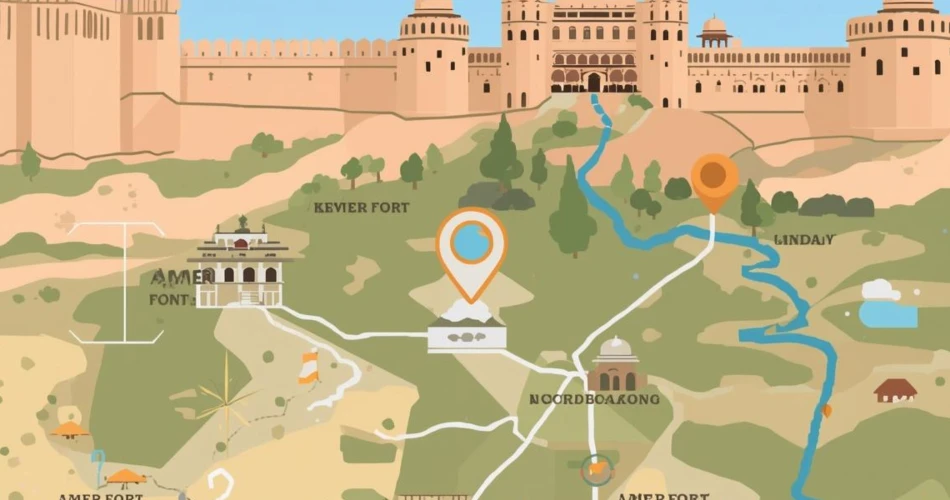
Reaching Amer Fort is simple and convenient. It’s located 11 kilometers from Jaipur city center, easily accessible by taxi, auto-rickshaw, or bus. Visitors can also hire a private cab for a comfortable experience.
Timings: 8:00 AM – 5:30 PM
Entry Fee: Approximately ₹100 for Indians and ₹500 for foreigners (subject to change).
The best time to visit Amer Fort is from October to March, when Jaipur’s weather is pleasant. Morning visits are ideal for avoiding crowds, while late afternoons provide the best photography opportunities.
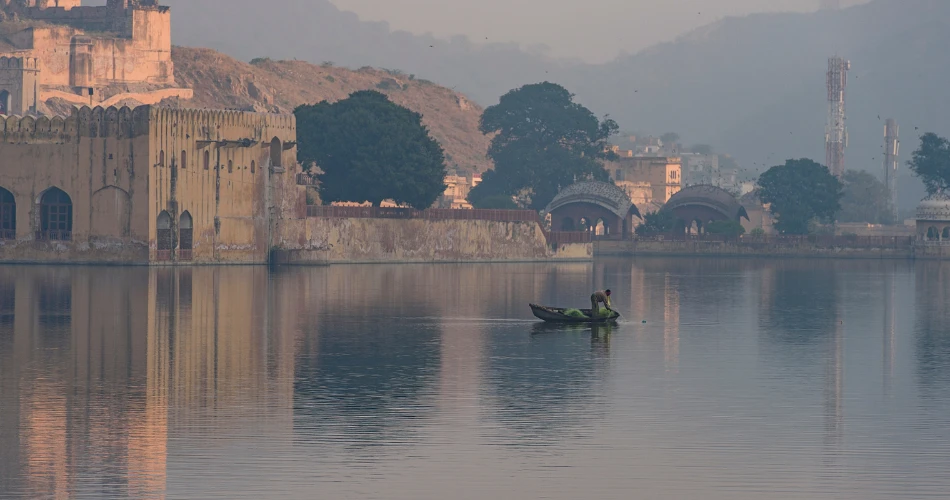
Nearby attractions include Jaigarh Fort, Nahargarh Fort, and Jal Mahal, all adding to your Jaipur itinerary. Don’t forget to stop at Maota Lake for a serene boat view of the fort’s reflection — a sight you’ll remember forever.
Conclusion: Amer Fort – A Living Testament to Jaipur’s Royal Grandeur
Amer Fort is not just a monument; it’s a living chronicle of Jaipur’s royal past. Every wall, gate, and chamber whispers stories of bravery, romance, and regal splendor. Its beauty lies not only in its architecture but in its ability to transport visitors to a bygone era of kings and queens.
From the sparkle of the Sheesh Mahal to the serenity of Maota Lake, Amer Fort continues to reign as Jaipur’s crown jewel — a perfect symbol of Rajasthan’s timeless charm.
So, the next time you visit the Pink City, make sure Amer Fort tops your itinerary. It’s more than a destination — it’s an experience that defines the heart and soul of Jaipur.

About Author
Amelia has a great eye for photography. She has traveled to over 30 countries and has produced great videography and photos, along with penning them down with her writing skills. She has also worked with many top travel photographers.