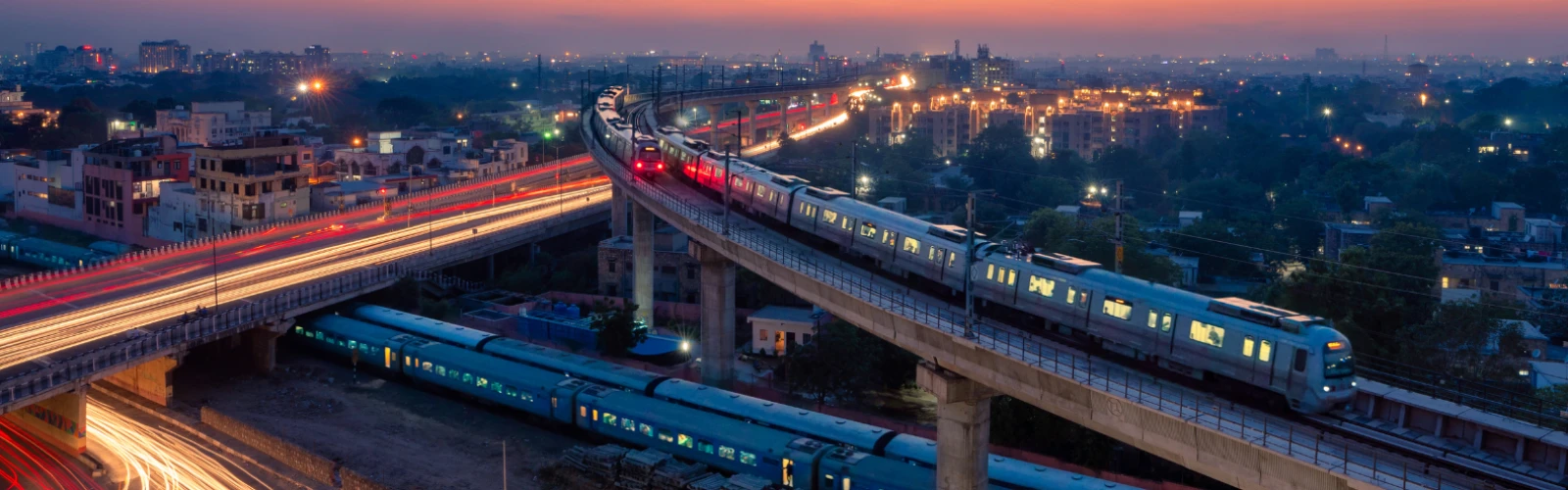
Jaipur Beyond the Palaces: Discovering the City’s Cultural Soul
Unveiling Jaipur’s vibrant traditions, art, cuisine, and timeless heritage beyond its royal facades.

Jaipur Beyond the Palaces: Discovering the City’s Cultural Soul
The Pink City, Jaipur, is often celebrated for its royal palaces, majestic forts, and grand architecture that narrate tales of bygone kings and queens. Yet, beneath the glamour of its sandstone facades lies another Jaipur — one that thrives on art, folklore, music, cuisine, and daily rhythms that define its authentic charm. To truly understand Jaipur is to go beyond its monuments and step into its streets, markets, and cultural traditions — to feel its cultural soul.
In this blog, we’ll explore Jaipur not as a tourist destination but as a living, breathing canvas of Rajasthan’s spirit — where the old and new dance together in vibrant harmony.
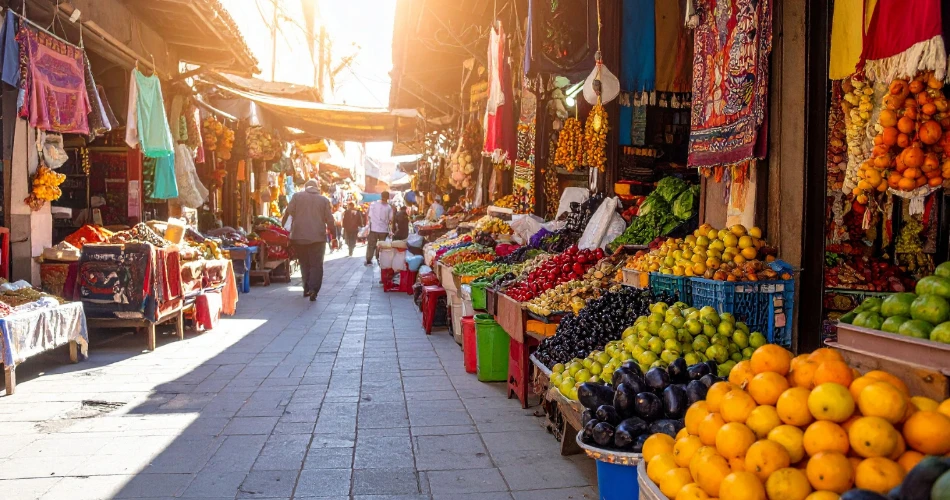
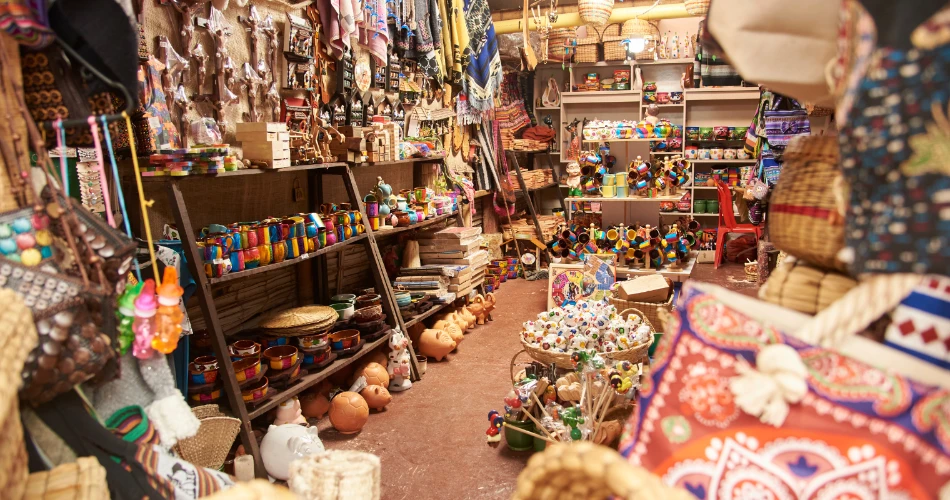
The Timeless Charm of Jaipur’s Local Bazaars and Handicraft Heritage
Jaipur’s markets are not just places to shop — they are living museums of craftsmanship passed down through generations. Walk through Johari Bazaar, where the sparkle of gemstones catches the morning light, or Bapu Bazaar, overflowing with colorful textiles, mojari shoes, and handcrafted souvenirs.
The city’s artisans are the unsung heroes of its legacy. Blue pottery, a Persian-inspired art form, still thrives in small workshops tucked away in the city’s alleys. Similarly, block printing from nearby Sanganer and Bagru villages keeps the region’s textile traditions alive.
Every creation tells a story — from the meticulous design of a handcrafted piece of jewelry to the soft texture of a handwoven cotton dupatta. Visiting these artisans offers an intimate glimpse into Jaipur’s cultural identity beyond the royal walls.
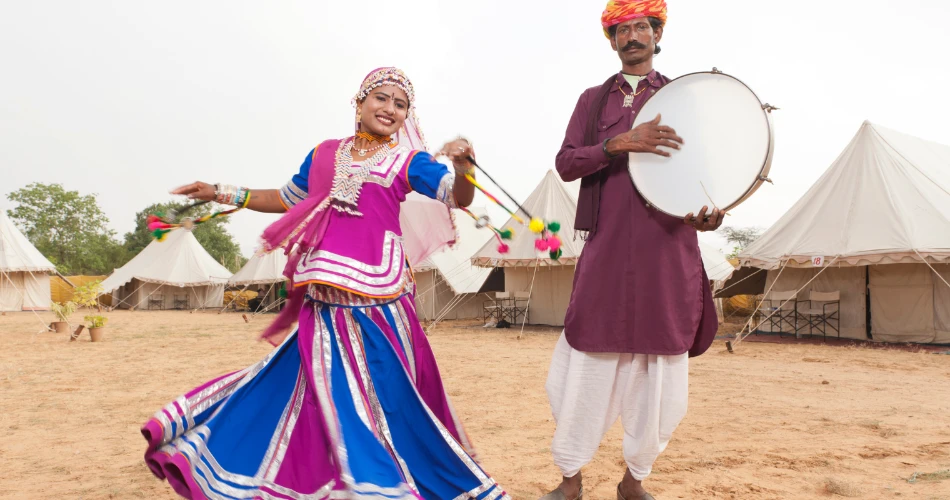
Traditional Music and Dance: The Melodic Heartbeat of the Pink City
If Jaipur had a heartbeat, it would echo through the sounds of Rajasthani folk music and the rhythmic movements of Ghoomar and Kalbeliya dancers. The soulful tunes of the sarangi, dholak, and khartal are not just performances but expressions of the desert’s emotion and resilience.
You can witness these art forms at cultural festivals, local events, or intimate courtyard performances. The Rajasthan International Folk Festival and Jaipur Literature Festival also spotlight traditional performances alongside global acts.
Each performance connects you to a centuries-old oral tradition — one that celebrates joy, love, sorrow, and devotion. Experiencing them firsthand reminds you that Jaipur’s true luxury lies in its living heritage rather than its palatial grandeur.
Culinary Traditions That Capture Jaipur’s Flavorsome Soul
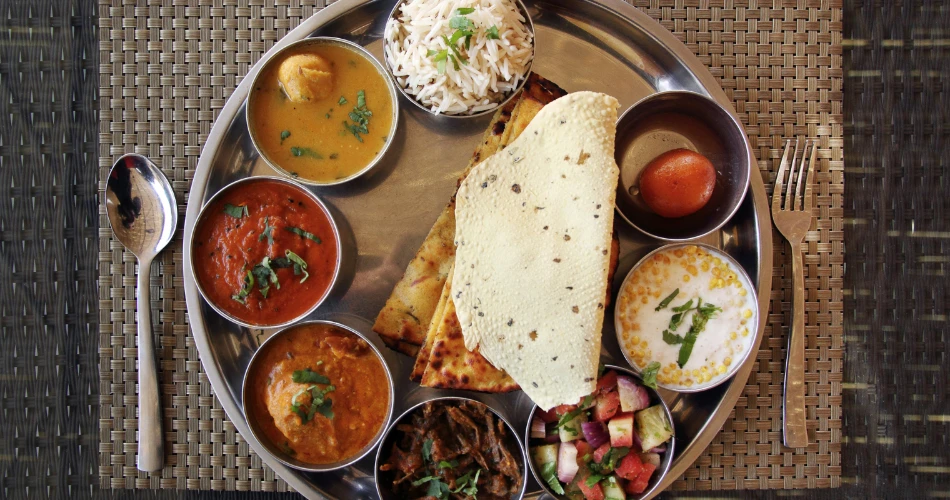
Food in Jaipur is not just sustenance; it’s a celebration of culture. From the hearty Dal Baati Churma to the royal Laal Maas, every dish embodies Rajasthan’s bold spirit.
Walk through the streets and you’ll find kachoris, lassi, and ghewar tempting locals and travelers alike. Meanwhile, dining at heritage restaurants like Suvarna Mahal or 1135 AD transports you back to regal dining experiences where recipes were guarded secrets.
What makes Jaipur’s cuisine exceptional is its connection to the land — the arid climate shaped a menu rich in ghee, spices, and grains that stand the test of time. To savor Jaipur’s food is to taste centuries of adaptation, creativity, and love.
The Artistic Soul of Jaipur: Museums, Workshops, and Contemporary Creativity
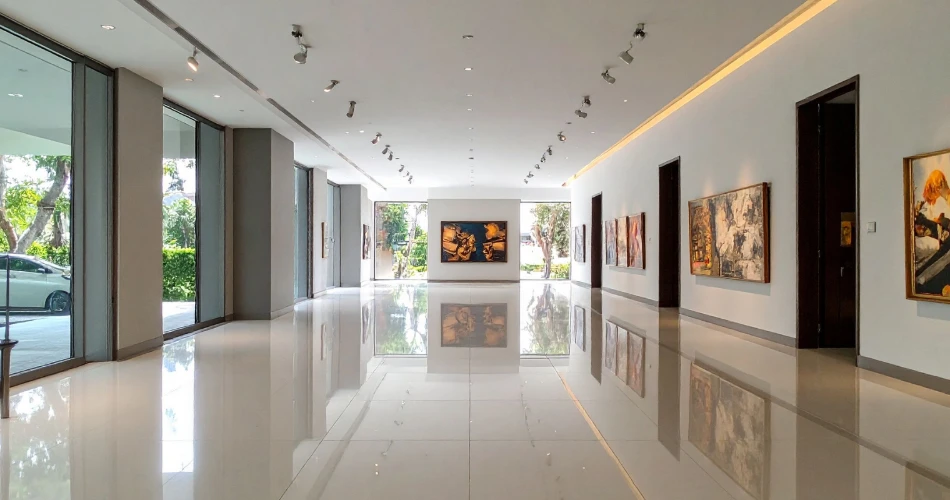
Jaipur is as much about ancient art as it is about modern creativity. While the Albert Hall Museum houses centuries of heritage, the Jawahar Kala Kendra serves as a hub for modern art and experimental exhibitions.
Artisans continue to reinvent themselves — young artists blending miniature painting styles with contemporary design or sculptors fusing marble with abstract ideas. The Handmade Paper Institute and Anokhi Museum of Hand Printing are perfect examples of Jaipur’s dedication to preserving and evolving art simultaneously.
Jaipur’s cultural soul thrives because it doesn’t just cling to tradition — it transforms it with time, keeping art relevant and alive.
Festivals and Fairs: The Vibrant Celebration of Life in Jaipur
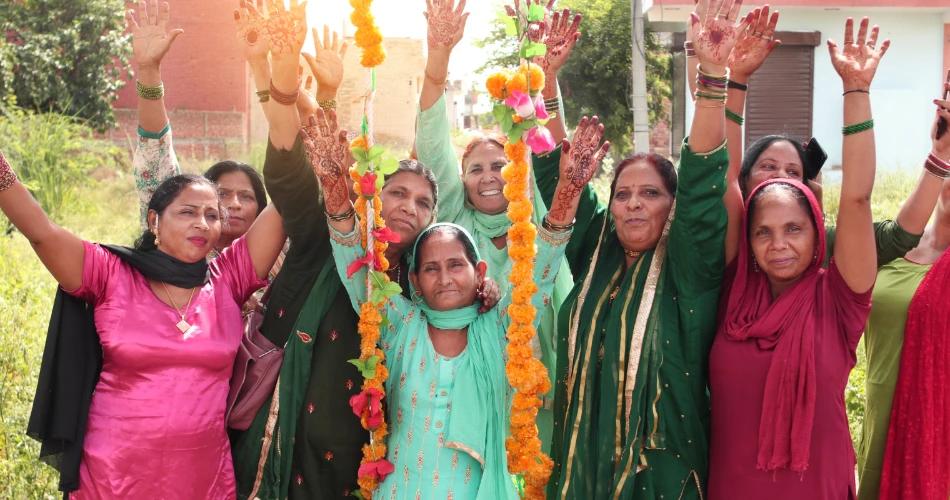
To experience Jaipur during a festival is to see the city at its most alive. The Teej Festival, Gangaur, and Jaipur Kite Festival paint the skies and streets with colors, music, and laughter.
Each celebration tells a story of faith and community. Women in bright lehengas carry idols through decorated lanes, while the skies during Makar Sankranti become a battlefield of colorful kites.
The Jaipur Literature Festival, held at Diggi Palace, attracts global thinkers and writers, merging intellectual exploration with local charm. These events remind visitors that Jaipur’s cultural heartbeat lies in shared joy and artistic expression.
Architecture Beyond Royalty: The Soulful Simplicity of Everyday Jaipur
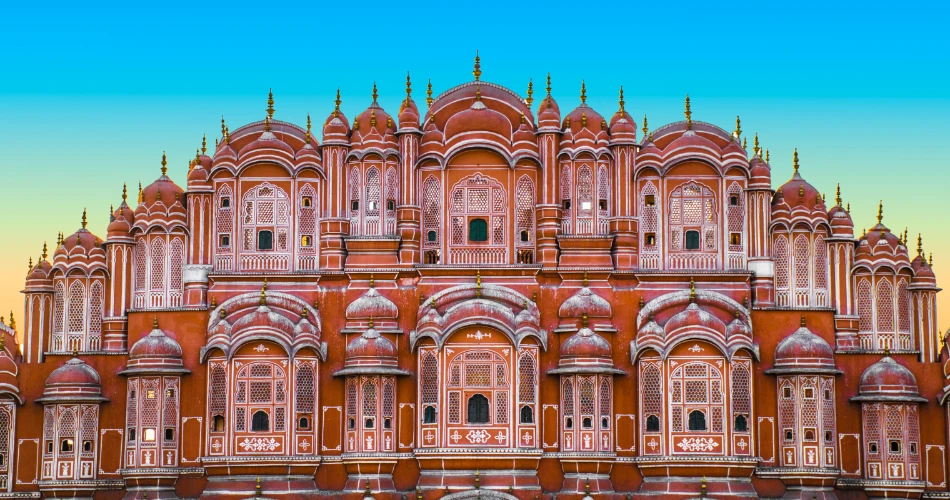
While Amber Fort and City Palace dominate postcards, the soul of Jaipur’s architecture is often found in its everyday structures — the latticework balconies, pink facades, and narrow alleyways that echo with life.
Walk through Hawa Mahal’s surroundings or Chandpole Market, and you’ll see how heritage and function coexist. The city’s design — rooted in Vastu Shastra and grid planning — reflects harmony and order, symbolizing balance in life itself.
Even modern cafes and boutique hotels are blending traditional arches, murals, and craftsmanship into contemporary designs, proving that Jaipur’s architectural beauty extends beyond its palaces.
Spiritual Experiences and the Sacred Side of Jaipur
Beyond the hustle of markets and monuments, Jaipur also offers a serene spiritual side. The Govind Dev Ji Temple in City Palace resonates with devotional chants, while Galtaji Temple, surrounded by natural springs, offers a tranquil escape.
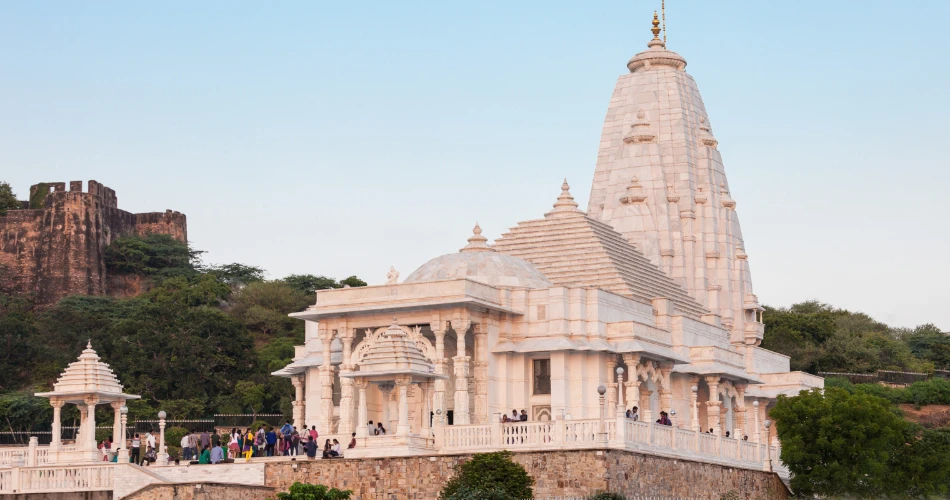
The Birla Mandir, constructed in white marble, reflects peace and purity — a modern symbol of Jaipur’s inclusive faith traditions. These sacred spaces reveal another layer of the city — one that values introspection, faith, and connection to the divine.
Spiritual Jaipur isn’t about grandeur; it’s about moments of stillness that connect you to the city’s deeper rhythm.
Experiencing Local Life: The Heartbeat of Modern Jaipur
The cultural soul of Jaipur truly shines through its people. From rickshaw drivers sharing stories to schoolchildren in pink uniforms, every interaction adds a brushstroke to the city’s canvas.
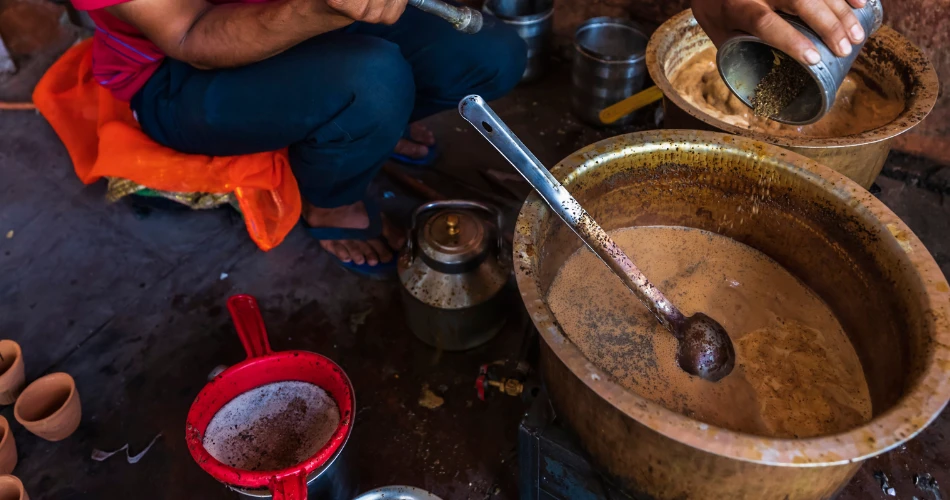
Spend a morning at Central Park where locals practice yoga or enjoy chai at a roadside stall. Evenings in MI Road cafés showcase a blend of tradition and modernity — where folk music meets digital art, and local crafts meet global fashion.
Jaipur is evolving but never losing its essence. It’s a city where heritage breathes, and its culture flows effortlessly into the everyday lives of its people.
Conclusion: The Cultural Soul That Makes Jaipur Eternal
Beyond its majestic palaces and royal legacy, Jaipur’s true beauty lies in its living culture — in the artisans who create, the music that echoes, the food that comforts, and the people who welcome you with open arms.
Discovering Jaipur’s cultural soul is not about sightseeing; it’s about feeling, listening, and connecting. It’s about seeing the Pink City not as a museum of history, but as a thriving story still being written — one melody, one flavor, and one festival at a time.

About Author
Isla is known as one of the best female solo travel bloggers today. She has been to Europe, UAE, and America and has penned down her experience in her blogs to inspire other travel enthusiasts.